Tel:+86 0311 8444 9786
E-mail:export@double-bulls.com
WhatsApp:+86 173 3117 7788
Add.:No.9 Weisi Road, Jinzhou City
economic development zone,
Shijiazhuang City,Hebei Province.
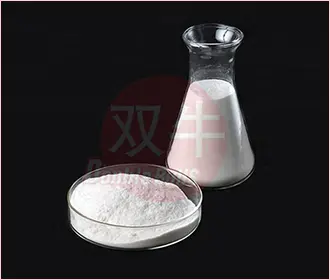
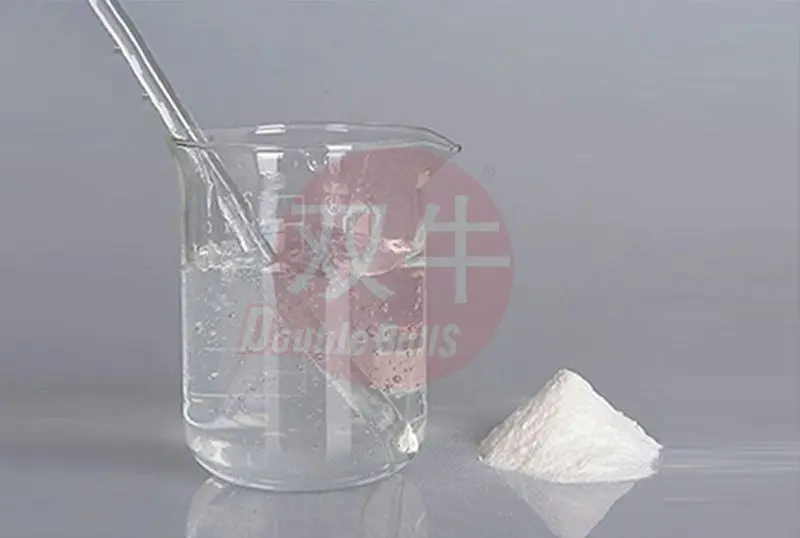
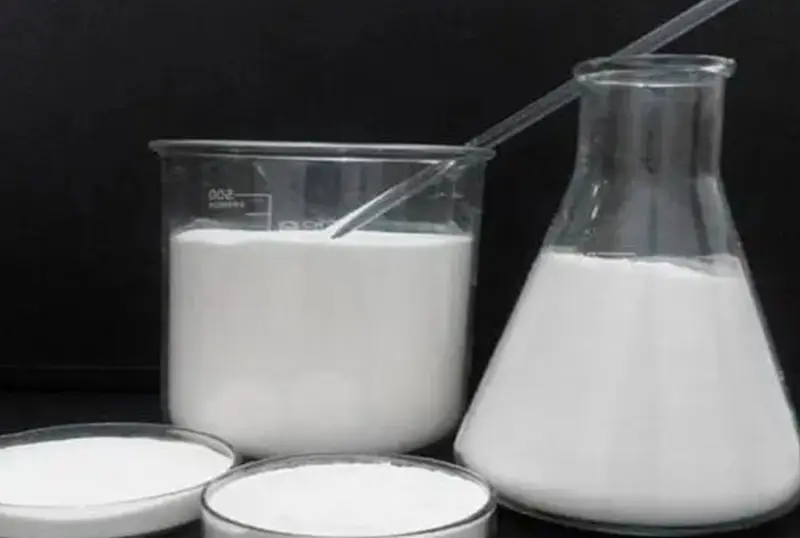
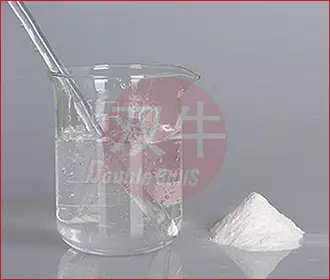
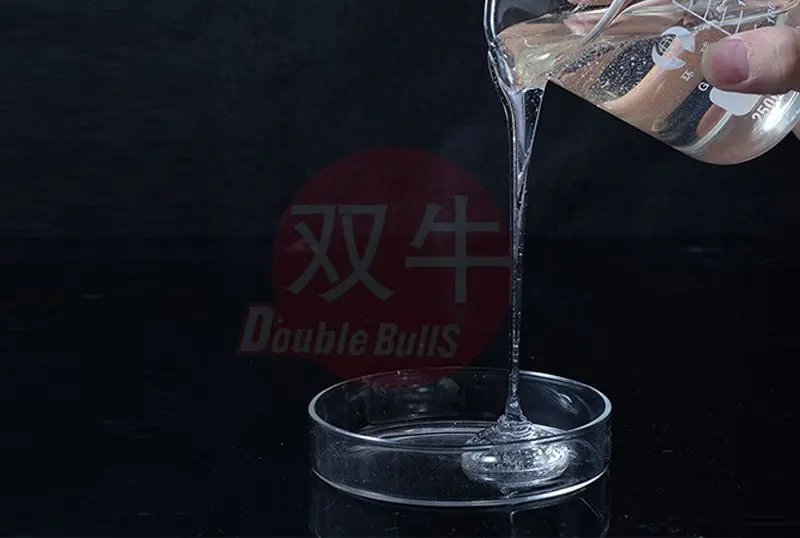
Hydroxypropyl methylcellulose (HPMC)It is a commonly used water-soluble polymer thickener in liquid detergents, which can help products maintain appropriate viscosity, improve hand feel and stability. During actual production, storage, and use, temperature changes directly affect the thickening performance of HPMC, thereby altering the overall viscosity state of the detergent. Understanding the correlation between its thickening effect and temperature is helpful for formula design, production control, and product storage management.
1、 The basic influence law of temperature on the thickening effect of HPMC
The thickening effect of HPMC mainly relies on the sufficient hydration and stretching of its polymer chains in water, forming a colloidal system with a certain spatial network structure, thereby increasing the viscosity of the system. Temperature changes directly affect the degree of molecular hydration and the morphology of molecular chains, resulting in regular changes in viscosity.
In the range of low temperature to room temperature, as the temperature increases, the movement of water molecules accelerates, the hydration of HPMC becomes more complete, the molecular chains gradually stretch, and the viscosity of the system will show a slow increase or maintain a relatively stable state. The viscosity of the product within this range is moderate and the fluidity is normal, which meets the needs of daily use.
When the temperature continues to rise to a certain range, the binding force between the hydrophilic groups of HPMC and water molecules weakens, the hydration layer is gradually destroyed, and the molecular chains begin to curl and aggregate, resulting in a significant decrease in system viscosity. The higher the temperature, the more significant the trend of viscosity decrease, and in severe cases, product thinning, delamination, or decreased stability may occur.
2、 The specific effect of different temperature ranges on detergent viscosity
Low temperature environment (0 ℃~20 ℃)
At low temperatures, the hydration rate of HPMC is slow, the molecular chain is not fully stretched, and the overall thickening effect is weak. The detergent may exhibit slightly lower viscosity, but generally does not show significant thinning or stability issues. Some formulas may show a slight thickening trend at low temperatures, but the overall changes are relatively gentle.
Normal temperature range (20 ℃~40 ℃)
This isHPMCThe suitable temperature range for achieving stable thickening effect. Within this range, HPMC has sufficient hydration, stable structure, uniform and controllable detergent viscosity, and the product appearance, flowability, and user experience are all in a relatively good state. It is also the recommended storage and use temperature for most liquid detergents.
Medium to high temperature environment (above 40 ℃)
As the temperature continues to rise, the thermal sensitivity of HPMC gradually becomes apparent, hydration weakens, molecular chains shrink, thickening effect significantly decreases, and system viscosity decreases. If the temperature is too high and lasts for a long time, it may also affect the overall stability of the system, resulting in uneven viscosity, slight delamination, and other phenomena.
3、 The intrinsic reasons why temperature affects the thickening effect of HPMC
HPMC molecules contain both methoxy and hydroxypropyl groups, possessing both hydrophilicity and a certain degree of hydrophobicity. At low temperatures, hydrophilic interactions occur, allowing molecules to fully absorb water and stretch, forming a stable colloidal structure; After the temperature rises, hydrophobic interactions increase, causing entanglement or aggregation between molecules, disrupting the original spatial network structure, and leading to a decrease in system viscosity.
Unlike ionic thickeners, HPMC is relatively less affected by electrolyte interference but more sensitive to temperature changes. Therefore, in detergent formulations, temperature is an important external factor affecting its thickening performance.
4、 Precautions in practical applications
In the formulation design stage, the appropriate viscosity model of HPMC should be selected based on the temperature range of the main operating environment of the product, to avoid excessive viscosity fluctuations caused by high temperatures in summer or low temperatures in winter.
Control the dissolution temperature during the production process and avoid adding HPMC at excessively high temperatures to prevent insufficient dissolution and decreased thickening efficiency.
The product should be stored at room temperature and under cool conditions as much as possible, avoiding prolonged exposure to sunlight or high temperatures to maintain stable viscosity.
Detergent formulations that require high viscosity stability can improve viscosity fluctuations caused by temperature changes by combining other thickening systems or stabilizers.
summary
HPMCThe thickening effect in liquid detergents is significantly correlated with temperature: at low temperatures, thickening is weak and hydration is slow, while at room temperature, thickening is stable and performs well. At high temperatures, viscosity decreases due to molecular structure curling. By fully considering temperature factors in production, formula debugging, and storage and transportation, and selecting appropriate models and control conditions, HPMC can continuously and stably exert its thickening effect, ensuring stable quality of liquid detergent products.

TEL:+86 (0311) 8444 9786
Email:sales@double-bulls.com
Email:Export@double-bulls.com
Address:No.9 Weisi Road, Jinzhou City Eco-nomic Development Zone, Shijiazhuang City, Hebei Province.

Website

Brochure

Video