Tel:+86 0311 8444 9786
E-mail:export@double-bulls.com
WhatsApp:+86 173 3117 7788
Add.:No.9 Weisi Road, Jinzhou City
economic development zone,
Shijiazhuang City,Hebei Province.
Cellulose ether: Unlocking the "Performance Modifier" in the Chemical Industry
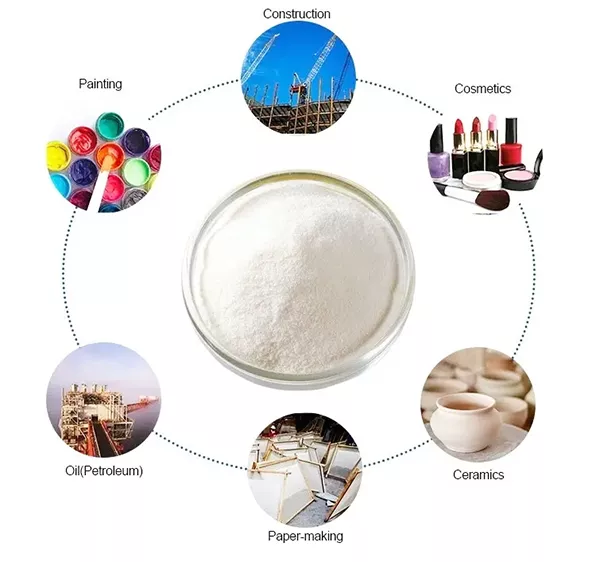
In the modern chemical industry system, there is a key auxiliary agent that combines stability, compatibility, and multifunctionality - cellulose ether. Made from natural cellulose through chemical modification, it has become an indispensable core material in various fields such as construction, coatings, medicine, and food, thanks to its unique physicochemical properties. From enhancing the crack resistance of wall putty, to thickening and stabilizing oral liquids, to optimizing the texture of cosmetics, cellulose ether is playing the role of an "enabler" in driving product upgrades and process innovations in various industries. Its market demand is also continuously growing with the development of downstream industries.
I. Understanding Cellulose Ether: Definition and Core Advantages
(1) What is cellulose ether?
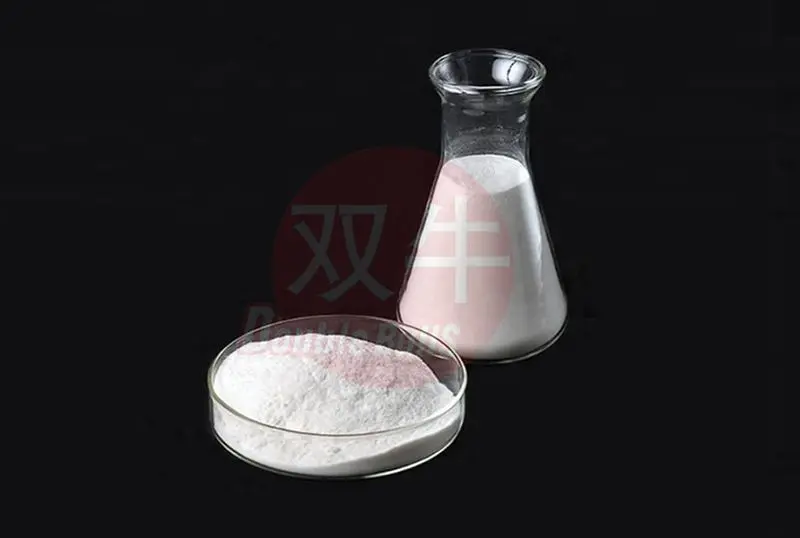
Cellulose ether is a water-soluble polymer compound formed through etherification reactions (such as methylation, hydroxypropylation, etc.) of natural cellulose. It retains the skeleton structure of cellulose while introducing ether groups, endowing it with various properties such as water solubility, thickening ability, film-forming ability, and water retention. Depending on the type of etherified groups, common cellulose ethers are mainly classified into methyl cellulose (MC), hydroxypropyl methyl cellulose (HPMC), hydroxyethyl cellulose (HEC), sodium carboxymethyl cellulose (CMC), and other categories. The performance differences among these categories make them suitable for various industry scenarios.
(II) Comparison with traditional additives: The outstanding advantages of cellulose ether
Compared with traditional chemical additives (such as starch, guar gum, etc.), cellulose ether has significant advantages:
Stronger water retention: In building mortar and putty, it can effectively lock in moisture, prolong hydration time, and avoid cracking and sanding issues caused by rapid evaporation of moisture, which is difficult for starch-based additives to achieve;
Higher stability: Excellent acid and alkali resistance, as well as salt tolerance, ensuring stable performance across a wide pH range (typically pH 2-12). In contrast, guar gum tends to degrade in acidic environments, affecting its effectiveness in use;
Better compatibility: It can be well compatible with various materials such as cement, coating resin, and pharmaceutical excipients, without causing delamination or precipitation, ensuring product uniformity;
More economical dosage: only 0.1%-2% dosage is needed to achieve the desired thickening and water retention effects, reducing production costs for enterprises;
Better environmental protection: Most cellulose ethers are biodegradable, leaving no residual pollution, and are in line with the national "dual carbon" policy and green production requirements.
II. Working principle of cellulose ether: from molecular structure to functional realization
(1) Core molecular structure and mechanism of action
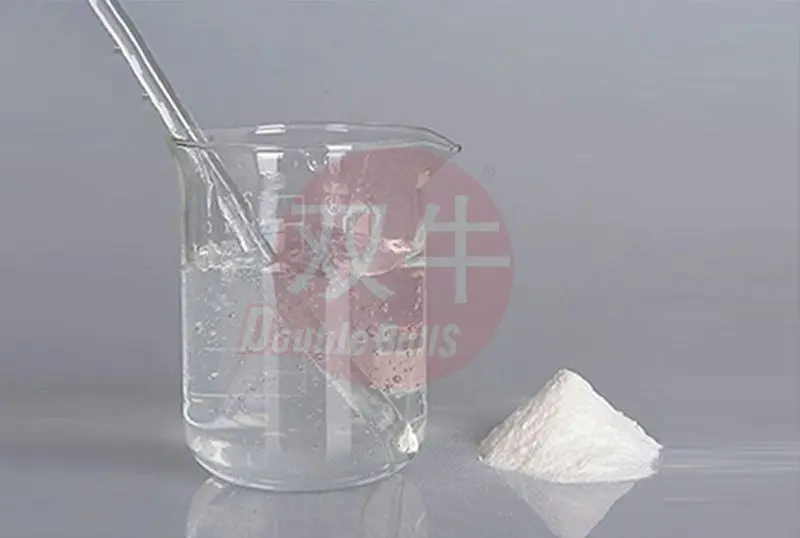
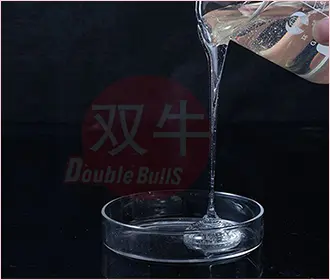
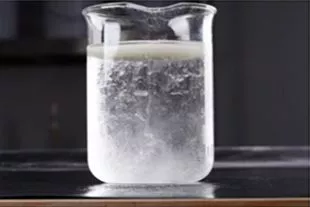
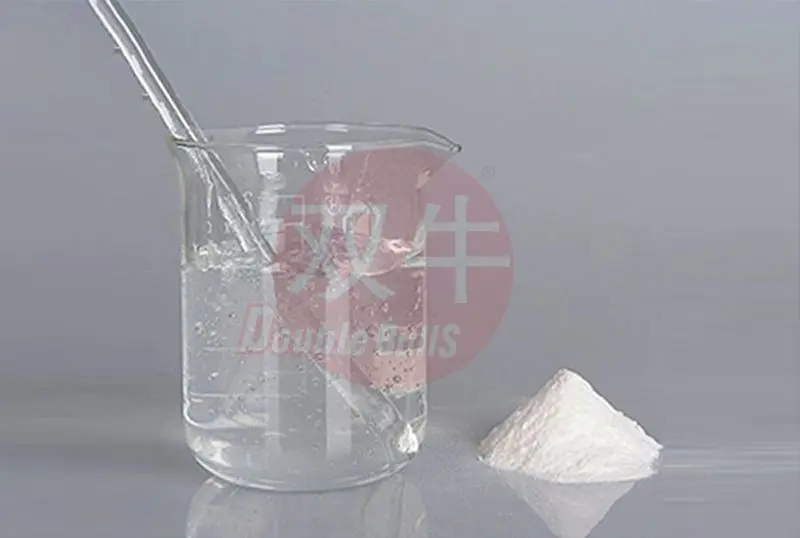
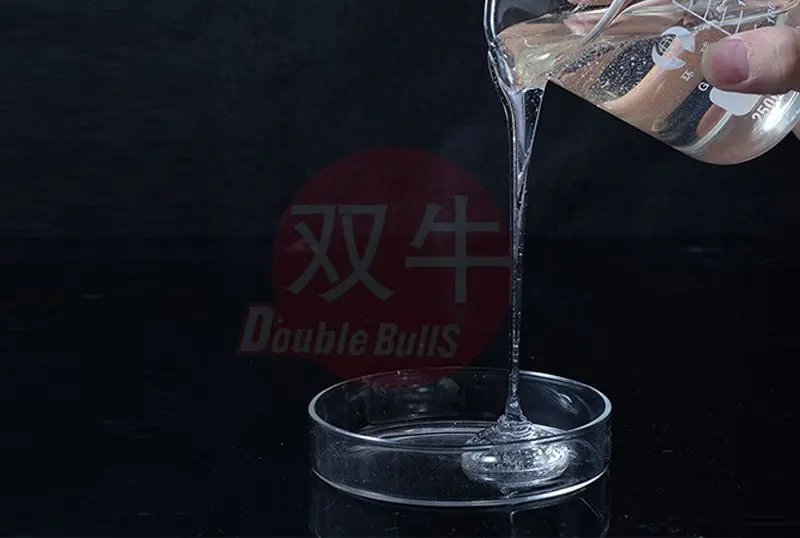
The molecular backbone of cellulose ether is composed of glucose units, with side chains linked to various ether groups (such as methoxy and hydroxypropoxy). These ether groups possess hydrophilic properties and can form hydrogen bonds with water molecules. This allows cellulose ether to dissolve in water, forming a transparent colloidal solution, which exerts three core functions:
Thickening effect: After dissolution, the molecular chains entangle with each other, increasing the viscosity of the solution and slowing down the flow rate of the substance. It is suitable for applications such as coatings and adhesives;
Water retention function: The molecular chain adsorbs water molecules, forming a hydration layer, which reduces water evaporation and provides support for the hydration of building mortar and the moisturizing of medicinal ointments;
Film-forming effect: After water evaporation, molecular chains crosslink with each other to form a continuous thin film, which possesses good flexibility and adhesion. It can be used as a film-forming agent in cosmetics and as a coating for food packaging.
(II) Workflow of typical application scenarios (taking building mortar as an example)
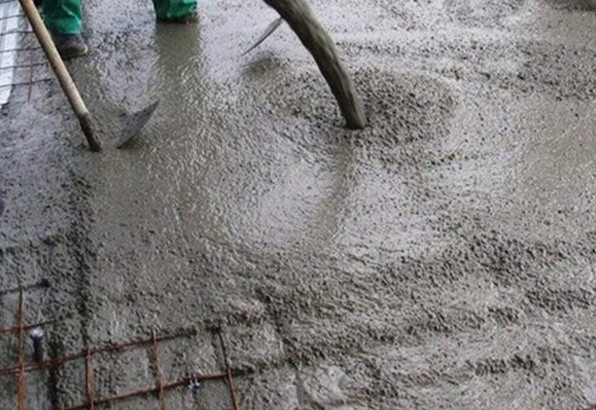
Addition and mixing stage: Add cellulose ether (such as HPMC) to raw materials like cement, sand, and additives in proportion, and mix them evenly until they are fully dispersed;
Water-solubilization stage: When water is added and stirred, the cellulose ether molecules quickly dissolve, forming a colloidal solution that encapsulates cement particles and sand grains;
Water retention and thickening stage: The colloidal solution locks in moisture, preventing it from infiltrating into the base layer too quickly or evaporating. At the same time, it increases the viscosity of the mortar, preventing delamination and bleeding;
Hydration and curing stage: Adequate moisture ensures the full hydration of cement, forming stable hydration products, ultimately enhancing the strength, crack resistance, and adhesion of the mortar.
III. Diverse application scenarios of cellulose ether: covering core needs across multiple industries
(1) Construction and building materials industry: "key additive" for quality improvement
Cellulose ether is a "rigid demand product" in the construction industry, especially hydroxypropyl methyl cellulose (HPMC) which is widely used:
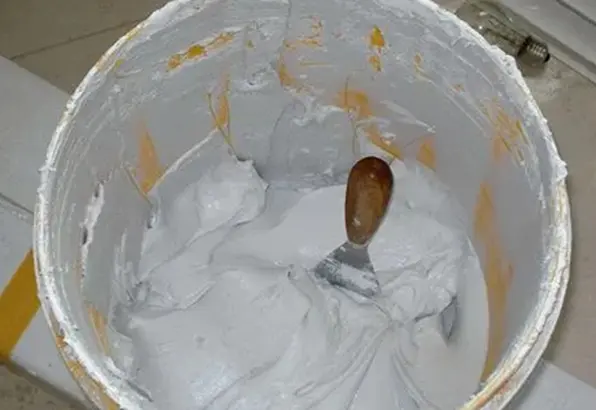
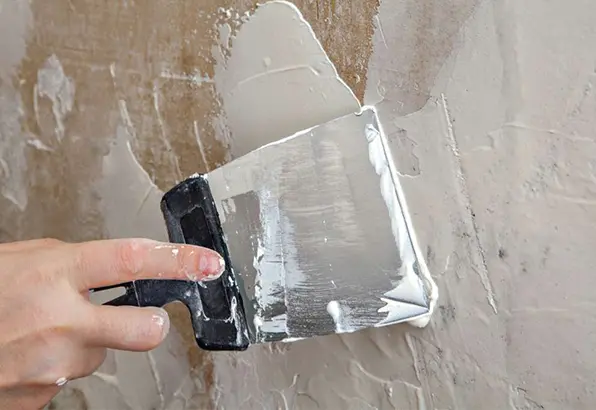
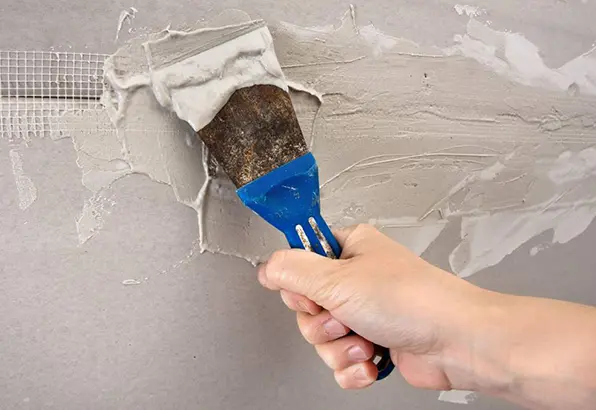
Dry powder mortar/putty: After addition, it can enhance water retention (prevent cracking), workability (easy to apply), and bonding strength (prevent detachment). According to data from a building materials company, when 0.3% HPMC is added to putty, the crack resistance rate increases by 60%, and the application efficiency improves by 30%;
Ceramic tile adhesive/adhesive: Enhances water retention and bonding strength, prevents tile hollowing, and is suitable for laying large-sized ceramic tiles;
Self-leveling mortar: Adjusts fluidity and flatness to ensure the mortar spreads evenly without local depressions.
(II) Pharmaceutical industry: safe and compliant "functional excipients"
Pharmaceutical-grade cellulose ethers (such as HPMC and CMC) must comply with the standards of the Chinese Pharmacopoeia, and are primarily used for:
Oral preparations: used as a binder (to shape powder) for tablets and capsules, a disintegrant (to control drug release rate), or a thickener (to improve taste) for oral liquids;
External preparations: Used as a base in ointments and gels to provide moisturizing properties and stability, preventing the ointment from drying and hardening;
Slow-release and controlled-release preparations: Film coating made of HPMC can control the slow release of drugs in the body, reduce the frequency of medication, and improve patient compliance.
(III) Coatings and Personal Care Industry: "Core Ingredients" for Performance Optimization
Water-based paint/latex paint: Hydroxyethyl cellulose (HEC), as a thickener, can prevent pigment sedimentation, improve the leveling property of the paint, and avoid brush marks during application;
Cosmetics: CMC is used in shampoos and shower gels to adjust viscosity, while HPMC is used in face creams and facial masks as a film former and moisturizer to enhance the skin feel of the product;
Detergent: Adding CMC can prevent soil redeposition, enhance washing efficiency, and protect clothing fibers.
IV. Technological development and future trends of cellulose ether
(I) Current directions for technical optimization
Performance customization: By adjusting the etherification degree and substitution degree, we develop "customized" products, such as high water retention HPMC suitable for dry northern regions and low viscosity HEC suitable for high-flow coatings;
Production process upgrade: Adopting continuous etherification process to replace traditional batch process, improving product purity (reducing impurity content to below 0.1%), and reducing energy consumption (energy consumption reduced by 15%-20%);
Enhanced environmental friendliness: Develop solvent-free etherification technology to reduce wastewater and exhaust emissions, while exploring the use of renewable raw materials such as straw and bamboo fiber to replace wood cellulose, thereby reducing dependence on forest resources;
Functional compounding: Compound cellulose ether with other additives (such as retarders and water reducers) to develop "integrated" products, simplify downstream enterprise formulations, and enhance usage efficiency.
(II) Future development trends
Demand growth: With the increasing requirements for purity and stability of excipients in the pharmaceutical and electronics industries, the market share of high-purity (over 99.5%) and low ash content (<0.05%) specialty cellulose ethers will continue to expand;
Greenification becomes mainstream: driven by policies, biodegradable cellulose ethers and products produced through environmentally friendly processes will become the focus of industry competition. It is estimated that the market size of green cellulose ethers will exceed 5 billion yuan by 2025;
Popularization of intelligent production: Real-time monitoring of the production process (such as automatic adjustment of etherification reaction temperature and concentration) is achieved through the Internet of Things and AI technology, enhancing product quality stability and reducing labor costs;
Cross-industry application expansion: Applications in emerging fields such as new energy (e.g., lithium battery separator coating) and 3D printing (biomedical materials) will gradually be implemented, opening up new growth opportunities for the industry.
V. Precautions for the purchase and use of cellulose ether
(1) Key points for purchase: match the needs and pay attention to core indicators
Clear application scenarios: HPMC (with strong water retention) is preferred in the construction field, while pharmaceutical-grade products that meet pharmacopoeial standards are selected in the pharmaceutical field;
Pay attention to key indicators:
Viscosity: Select according to specific needs (e.g., HPMC viscosity for putty is typically 100,000 - 200,000 mPa·s, while HEC viscosity for coatings is 20,000 - 50,000 mPa·s);
Water retention rate: The water retention rate of construction products must be ≥90%, otherwise it is prone to cause mortar cracking;
Choose reputable manufacturers: Prioritize companies that possess production qualifications (such as ISO9001 certification, pharmaceutical GMP certification) and have stable supply capabilities, to avoid purchasing inferior products that could lead to production accidents.
(II) Precautions for use and storage
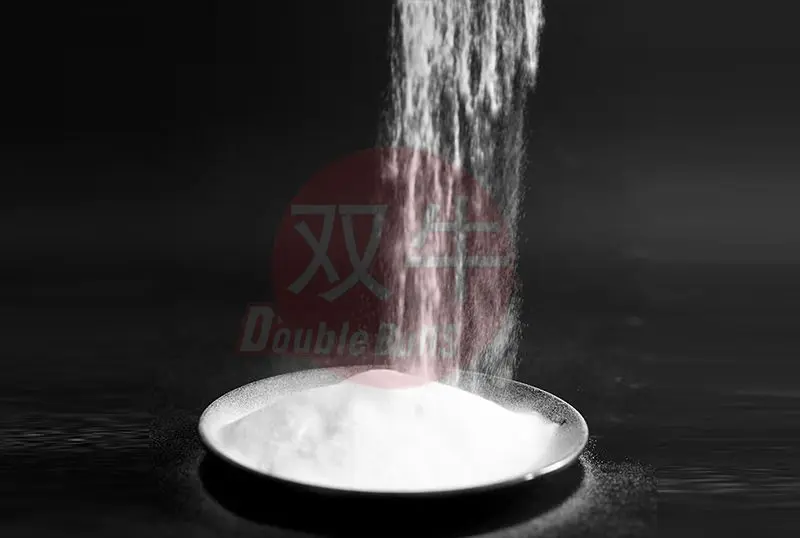
Correct dissolution: Cellulose ether tends to agglomerate, so it should be slowly sprinkled into water (or pre-mixed with other dry powder materials) and stirred at a constant speed to avoid local agglomeration during dissolution;
Dosage control: Excessive addition can lead to excessively high product viscosity and increased costs (such as poor leveling properties in coatings with excessive HEC addition). Accurate measurement according to the formula is required. Storage conditions: It should be stored in a cool, dry, and ventilated warehouse, avoiding moisture (which can cause caking) and direct sunlight (high temperatures can affect performance). The storage period is usually 2 years;
Safety precautions: During production operations, it is necessary to wear dust masks and gloves to avoid inhaling dust; if dust enters the eyes, it should be rinsed out immediately with water.
VI. Summary and Outlook
As a multifunctional chemical additive, cellulose ether has been deeply integrated into various industries such as construction, medicine, and food, becoming a driving force for industrial upgrading due to its excellent water retention, thickening, and compatibility. Currently, with the continuous optimization of technology and the upgrading of downstream demand, the cellulose ether industry is moving towards green and intelligent development.
In the future, with the expansion of applications in emerging fields such as new energy and 3D printing, as well as the support of the "dual carbon" policy for environmentally friendly materials, the market space for cellulose ethers will further expand. For enterprises, selecting suitable cellulose ether products and grasping technological development trends will become the key to enhancing product competitiveness; while for the industry, continuously promoting process innovation and green transformation will help cellulose ethers to exert value in more fields and inject new vitality into the high-quality development of the chemical industry.

TEL:+86 (0311) 8444 9786
Email:sales@double-bulls.com
Email:Export@double-bulls.com
Address:No.9 Weisi Road, Jinzhou City Eco-nomic Development Zone, Shijiazhuang City, Hebei Province.

Website

Brochure

Video