Tel:+86 0311 8444 9786
E-mail:export@double-bulls.com
WhatsApp:+86 173 3117 7788
Add.:No.9 Weisi Road, Jinzhou City
economic development zone,
Shijiazhuang City,Hebei Province.
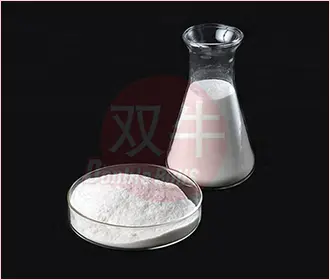
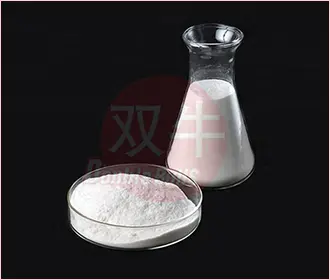
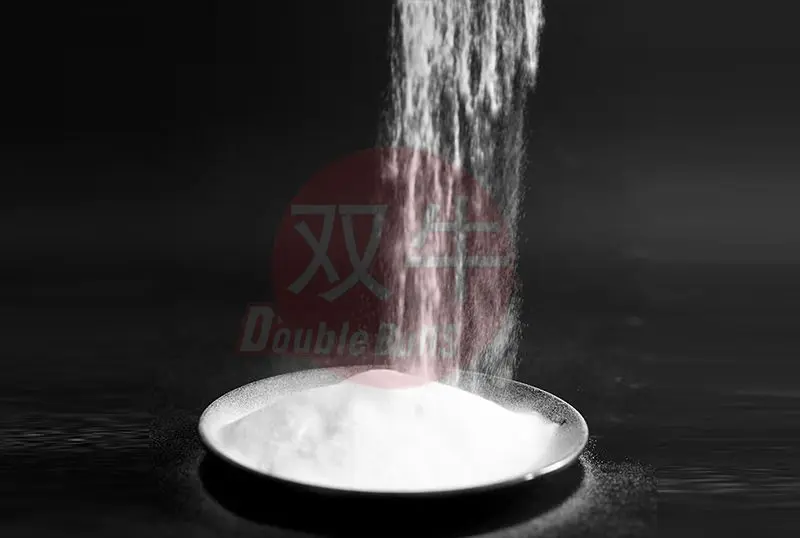
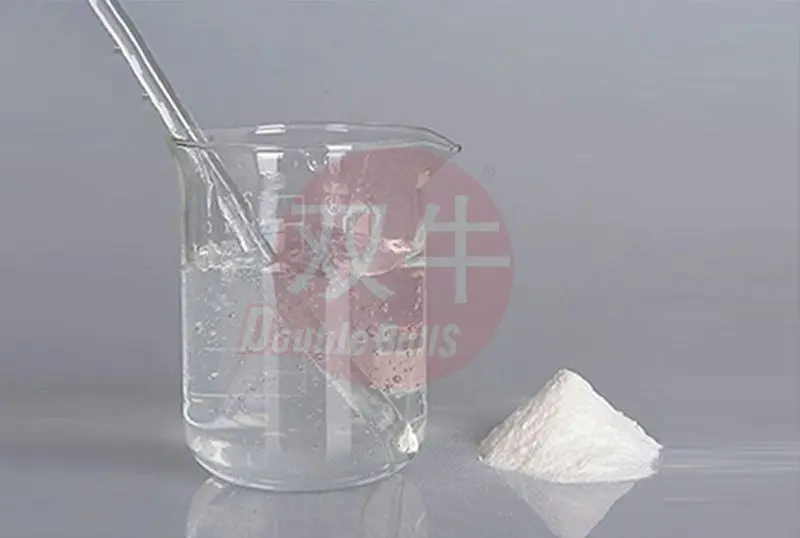
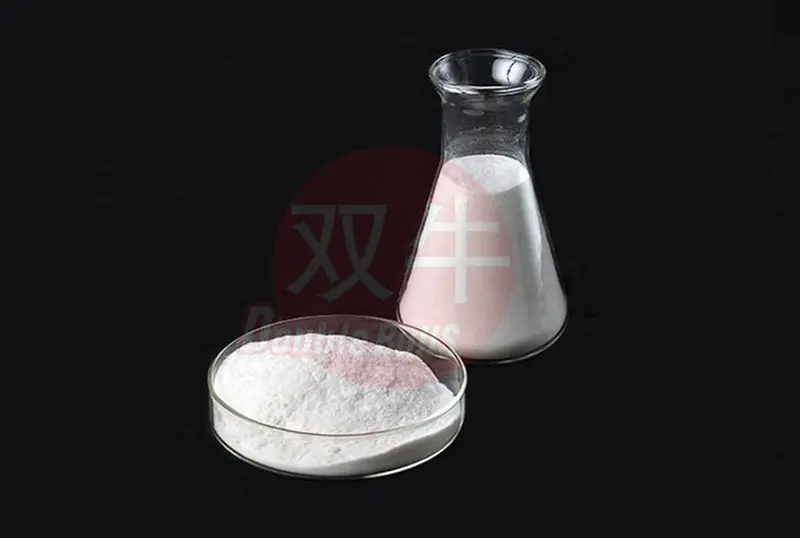
Hydroxypropyl methyl cellulose etherHPMC (abbreviated as HPMC) is an essential core functional additive in putty powder formulations, belonging to non-ionic cellulose ether. With its excellent water solubility, thickening, and water retention properties, it can improve the construction performance, bonding performance, and storage stability of putty powder, and is known as the "soul additive" of putty powder. This article combines practical experience in putty powder construction and industry application to analyze in detail the core role of HPMC in putty powder, balancing professionalism and practicality, and helping practitioners accurately grasp its application logic.
Putty powder, as the basic material for leveling and decorating building walls, is mainly composed of base materials (such as calcium carbonate, talc powder), binders, functional additives, etc. HPMC does not directly participate in the curing reaction of putty powder, but penetrates the entire process of mixing, construction, and drying of putty powder through physical action. Its function covers three dimensions: construction convenience, bonding reliability, and storage stability, each of which directly affects the construction effect and service life of putty powder.
Core function one: Keep water and prevent quick drying and cracking of putty powder. This is the fundamental and crucial role of HPMC in putty powder. When applying putty powder, it needs to be mixed with water to form a paste. If the moisture evaporates quickly, it will cause the surface of the putty layer to dry quickly, while the internal moisture is not dissipated in time, resulting in uneven drying speed inside and outside, which can lead to shrinkage cracking, powdering, delamination and other problems. This problem is particularly prominent in high temperature, dry and ventilated environments.
HPMC has strong water retention ability, and its molecular structure contains a large number of hydrophilic groups, which can adsorb and lock the water in the mixed water, slow down the evaporation rate of water, provide sufficient time for the hydration reaction of putty powder (such as the setting and hardening of cement-based putty), and ensure uniform drying speed inside and outside the putty layer, effectively avoiding defects such as cracking and sanding. In addition, sufficient water retention can also extend the construction opening time of putty powder, allowing construction personnel more time to level and decorate, improving construction efficiency and quality, especially suitable for large-scale wall construction scenarios.
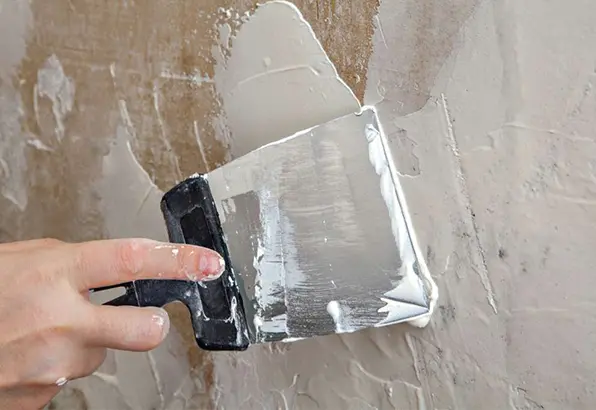
Core function 2: Thickening and thickening, improving the workability and uniformity of putty powder. The construction performance of putty powder directly affects the wall leveling effect, and the thickening and thickening properties of HPMC can effectively optimize the rheological properties of putty powder, solving problems such as sagging, powder falling, and difficulty in scraping during the construction process.
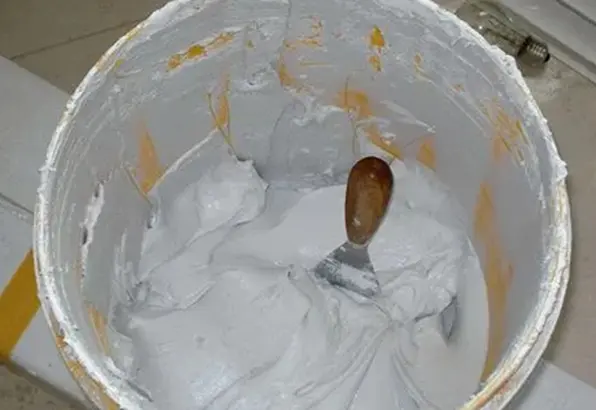
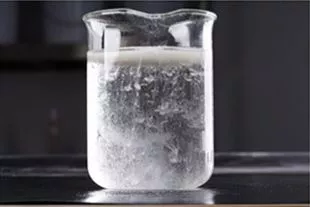
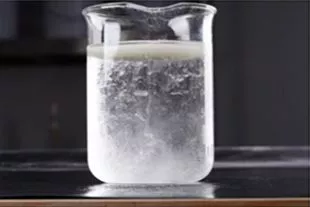
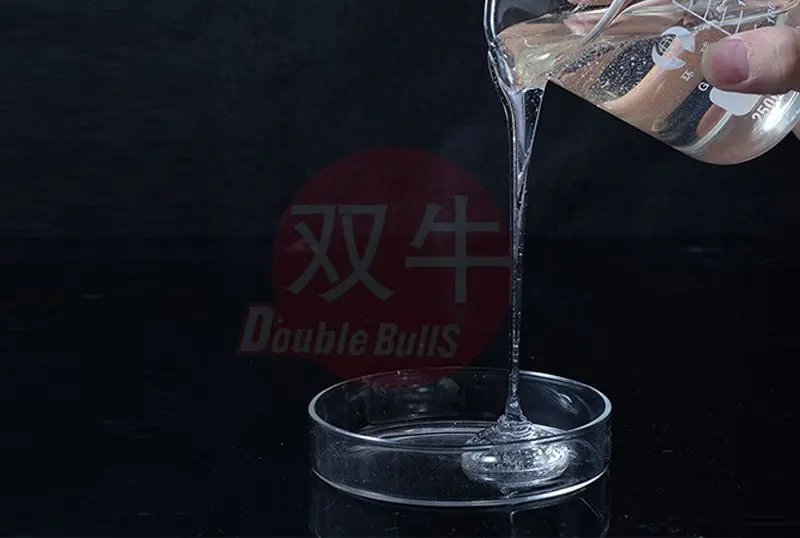
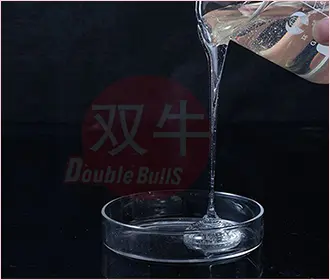
During the process of mixing putty powder,HPMCCan quickly dissolve in water, forming a viscous colloidal system, increasing the viscosity of putty paste, making it less likely to flow or sag, especially suitable for vertical wall construction, to avoid sagging phenomenon; At the same time, the thickening effect can evenly disperse the base material, binder and other components in the putty powder, making it difficult to layer or precipitate, ensuring consistent performance of each batch of putty powder, and making the wall surface smooth and flat without particle feeling after scraping. In addition, the thickening effect of HPMC can also enhance the adhesion of putty paste, reduce the phenomenon of powder falling during construction, and make the putty layer adhere more tightly to the base layer.
Core function three: Improve bonding performance and enhance the adhesion between the putty layer and the base layer. The core function of putty powder is to adhere to the surface of the wall base layer (such as cement mortar, concrete, gypsum board), forming a flat leveling layer. If the bonding force is insufficient, it will cause the putty layer to bulge and fall off, affecting the subsequent coating construction and wall appearance.
HPMC can enhance the adhesion between putty powder and base layer through intermolecular forces, while improving the cohesion inside the putty layer, making the structure of the putty layer more compact and less prone to detachment after curing. On the one hand, the hydrophilic groups of HPMC can adsorb with the hydroxyl groups on the surface of the substrate, forming a strong bonding interface; On the other hand, its viscous system can fill the tiny pores on the surface of the base layer, further improving the adhesion, especially suitable for leveling construction of rough base layers. It should be noted that the bonding enhancement effect of HPMC needs to be combined with the binder in the putty powder (such as redispersible latex powder) to maximize its effectiveness and avoid insufficient bonding force caused by relying solely on HPMC.
Core function four: Improve the storage stability of putty powder and prevent clumping and deterioration. As a dry powder building material, putty powder is prone to moisture absorption and clumping during storage, making it unusable. However, HPMC can effectively improve the moisture resistance of putty powder and extend its storage period.
HPMC has good moisture resistance and can form a protective film on the surface of putty powder particles, reducing the entry of moisture from the air and preventing putty powder from absorbing moisture and clumping; At the same time, its thickening effect can keep the various components in the putty powder evenly dispersed, avoiding layering and sedimentation during storage, ensuring stable performance of the putty powder during the shelf life, and allowing for normal mixing and use after opening. In addition, HPMC can enhance the anti mold ability of putty powder, reduce the phenomenon of mold in humid environments, and ensure the safety of putty powder use.
Core function five: Optimize the drying and curing performance of the putty layer and improve overall quality. After the application of putty powder, it needs to be dried and cured to form a dense leveling layer, and HPMC can optimize the drying and curing process of the putty layer by regulating the rate of water evaporation, thereby improving the overall performance of the putty layer.
On the one hand, the water retention function of HPMC can ensure that the putty powder is fully hydrated, allowing for better curing reaction and resulting in higher hardness and better wear resistance of the putty layer after curing, making it less prone to powdering and dust falling off; On the other hand, uniform evaporation of moisture can prevent uneven shrinkage and wrinkling of the putty layer, making the surface of the putty layer smoother and more even, laying a good foundation for the subsequent construction of decorative materials such as coatings and wallpapers. At the same time, HPMC can also reduce the shrinkage rate of the putty layer during the drying process, further reducing the risk of cracking and extending the service life of the wall.
Additional explanation: The effect of HPMC in putty powder is closely related to its viscosity, degree of substitution, and other indicators - low viscosity HPMC (such as 100000-200000 viscosity) focuses more on water retention and thickening, and is suitable for interior wall putty with high scraping requirements; High viscosity HPMC (such as 400000 to 1 million viscosity) focuses more on bonding enhancement and anti sagging, suitable for exterior wall putty or vertical surface construction. In addition, the amount added should be controlled within a reasonable range (usually 0.2% -0.5% of the total mass of putty powder). Adding too much can cause the putty paste to be too viscous and difficult to scrape, while adding too little will fail to exert its water retention and thickening effects.
In conclusion,Hydroxypropyl methylcellulose ether (HPMC)In putty powder, it plays multiple core roles such as water retention, thickening, bonding, and stability, directly determining the construction performance, bonding reliability, and service life of putty powder. Reasonably selecting HPMC models and controlling the amount of additives can significantly improve the overall quality of putty powder, avoiding common problems such as cracking, hollowing, and powder falling during construction. It is an indispensable functional additive in building wall leveling construction.

TEL:+86 (0311) 8444 9786
Email:sales@double-bulls.com
Email:Export@double-bulls.com
Address:No.9 Weisi Road, Jinzhou City Eco-nomic Development Zone, Shijiazhuang City, Hebei Province.

Website

Brochure

Video